The auto industry stands as one of the most transformative sectors in the global economy. From the invention of the first gasoline-powered vehicle in the late 19th century to today’s sophisticated electric cars, the automotive world has experienced continuous innovation and adaptation. This article delves into the many facets of the auto industry, highlighting technological advances, market dynamics, and emerging trends that are reshaping the way people drive, manufacture, and interact with vehicles.
The Evolution of Automobiles
Early Innovations and Industrial Growth
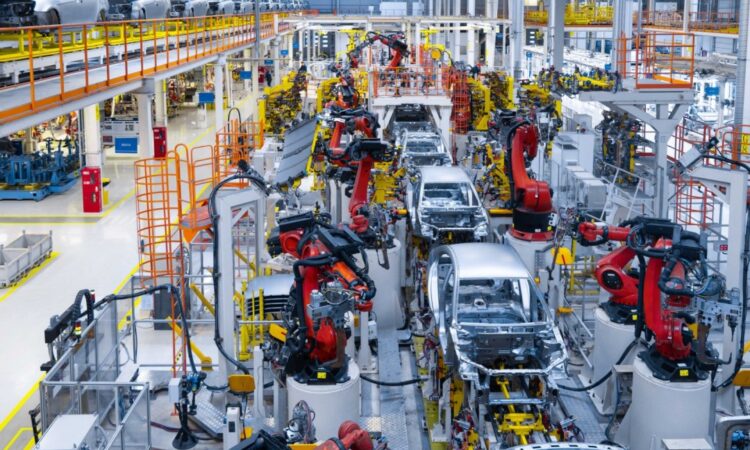
Automobiles began as handcrafted machines accessible only to the wealthy. The mass production revolution, introduced by Henry Ford’s assembly line in 1913, democratized car ownership, allowing millions of Americans to drive. This period marked the beginning of the auto industry as a cornerstone of industrial growth, supporting related sectors such as steel, rubber, and petroleum.
Technological Milestones
Over the decades, cars evolved from simple mechanical devices into highly complex systems integrating electronics, computing, and advanced safety features. Key milestones include:
- Internal combustion engine enhancements: Increased efficiency and reliability transformed transportation and logistics.
- Safety advancements: Features like seat belts, airbags, and anti-lock braking systems became standard.
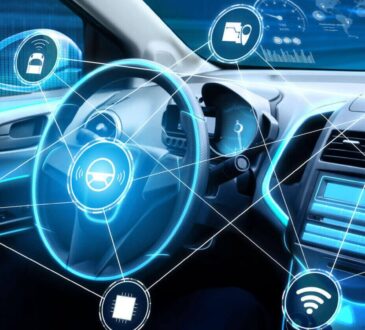
- Infotainment systems: Modern vehicles now integrate navigation, streaming, and connectivity.
- Autonomous driving: Advanced driver-assistance systems (ADAS) are paving the way for self-driving cars.
Market Dynamics in the Auto Industry
Consumer Preferences and Market Shifts
Modern consumers are increasingly prioritizing fuel efficiency, environmental impact, and technological integration when purchasing vehicles. The rise of electric vehicles (EVs) and hybrid models reflects growing awareness of climate change and a shift toward sustainable transportation.
- Electric vehicles: Tesla, Nissan, and other manufacturers have popularized EVs, highlighting the shift toward zero-emission mobility.
- Luxury and performance: High-end brands continue to push innovation with hybrid supercars and premium EV models.
- Shared mobility solutions: Ride-sharing platforms like Uber and Lyft have changed how individuals access vehicles without ownership.
Economic and Regulatory Factors
Government regulations and incentives play a significant role in shaping the auto market. Policies promoting clean energy and emissions reduction have accelerated the adoption of EVs and alternative fuels. Conversely, tariffs and supply chain disruptions, particularly for semiconductors and rare earth metals, can impact production and pricing.
Technological Innovations Driving the Auto Industry
Electric Vehicles and Battery Technology
Battery performance is central to the growth of EVs. Innovations in lithium-ion, solid-state, and even graphene batteries are improving range, charging speed, and durability. These technological improvements are crucial to making EVs a practical alternative for mainstream consumers.
Autonomous and Connected Vehicles
Autonomous vehicles leverage AI, LiDAR, and sensor networks to navigate roads safely. While fully self-driving cars are still under testing, semi-autonomous systems such as adaptive cruise control and lane-keeping assist are now standard in many new vehicles.
Connected cars, integrated with the Internet of Things (IoT), allow vehicles to communicate with infrastructure, enhancing safety, traffic management, and predictive maintenance.
Sustainable Manufacturing Practices
Automakers are increasingly adopting eco-friendly manufacturing processes. Examples include:
- Using recycled and lightweight materials to improve fuel efficiency.
- Implementing renewable energy in factories.
- Designing modular components for easier recycling and lower environmental impact.
Challenges in the Auto Industry
Despite advancements, the auto industry faces significant challenges:
- Supply chain constraints: Shortages in semiconductors and raw materials have disrupted production.
- Cybersecurity threats: As vehicles become more connected, they are vulnerable to hacking.
- Environmental regulations: Automakers must navigate increasingly strict emission standards.
- Market competition: Startups and tech companies are entering the automotive space, intensifying competition for traditional manufacturers.
Emerging Trends Shaping the Future of Automobiles
Mobility as a Service (MaaS)
MaaS integrates various forms of transport services into a single accessible platform. This trend emphasizes convenience, efficiency, and reduced reliance on personal vehicle ownership, reshaping urban mobility.
Artificial Intelligence and Predictive Maintenance
AI algorithms monitor vehicle health in real-time, predicting maintenance needs before they become serious issues. This reduces downtime and improves safety and efficiency for fleet operators and individual users alike.
Lightweight and Smart Materials
Materials like carbon fiber, high-strength steel, and composites reduce vehicle weight, improving fuel efficiency and performance. Smart materials are also being integrated into interiors for adaptive comfort and safety features.
Automakers often look for ways to make metal parts last longer but keep the frame light. Using quality tubing with specific coatings helps stop rust in harsh conditions. Zinc-nickel finishes are popular because they give high protection against salt and moisture. This is useful for parts under the car or in the engine bay where heat and road debris are common. These materials help cars stay on the road for more years because they stop early wear.
Economic Impact of the Auto Industry
The auto industry contributes significantly to GDP and employment. In the U.S., millions of jobs are directly or indirectly linked to automotive manufacturing, sales, and maintenance. The industry also stimulates research and development, driving innovation across multiple technology sectors.
Safety and Regulatory Standards
Crash Safety and Testing
Modern vehicles undergo rigorous testing to ensure compliance with safety standards. Features like crumple zones, airbags, and electronic stability control have dramatically reduced fatalities in traffic accidents.
Emission Standards
Governments worldwide enforce stringent emission standards, prompting automakers to innovate with cleaner engines and alternative fuel sources. EV adoption is central to meeting these environmental mandates.
Frequently Asked Questions About the Auto Industry
What is driving the growth of electric vehicles?
The growth of electric vehicles is fueled by environmental concerns, government incentives, declining battery costs, and improvements in charging infrastructure.
How is autonomous driving changing the automotive landscape?
Autonomous driving enhances road safety, reduces traffic congestion, and enables new mobility solutions. While fully self-driving cars are not yet mainstream, semi-autonomous features are increasingly standard.
What are the main challenges facing car manufacturers today?
Automakers face supply chain disruptions, rising material costs, cybersecurity threats, and the need to meet stringent environmental regulations.
How does technology impact vehicle safety?
Technology has dramatically improved vehicle safety through advanced driver-assistance systems, predictive maintenance, and real-time monitoring of vehicle performance.
Why are lightweight materials important in car manufacturing?
Lightweight materials improve fuel efficiency, performance, and handling, while also contributing to sustainability by reducing emissions and energy consumption.