
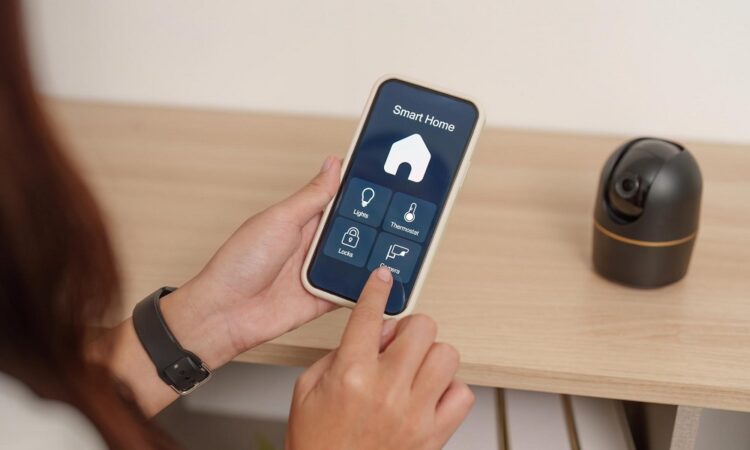
The concept of a connected lifestyle has rapidly evolved with the rise of smart home devices. These technologies enable homeowners to control lighting, security, temperature, entertainment, and appliances through smartphones, voice commands, or automated routines.
Smart homes are no longer futuristic concepts reserved for tech enthusiasts. With improved connectivity, affordable hardware, and easy-to-use mobile applications, smart devices have become increasingly common in modern households. They offer convenience, efficiency, security, and energy savings, transforming how people interact with their living spaces.
As homes become more intelligent and interconnected, the smart home ecosystem is shaping a lifestyle where everyday tasks are automated, personalized, and seamlessly integrated.
Understanding Smart Home Technology
Smart home technology refers to a network of connected devices that communicate with each other through Wi-Fi, Bluetooth, or other wireless protocols. These devices can be monitored and controlled remotely through apps or voice assistants.
The foundation of a smart home often includes a central hub or voice assistant that coordinates communication between devices. Once connected, users can automate daily routines, such as turning lights on at sunset, adjusting thermostats based on room occupancy, or receiving alerts from security cameras.
Key Components of a Smart Home System
A typical smart home setup includes several essential elements:
- Smart Hub or Voice Assistant – Controls and connects multiple devices.
- Smart Sensors – Detect motion, temperature, or environmental changes.
- Mobile Applications – Allow remote monitoring and customization.
- Wireless Connectivity – Enables communication between devices.
- Automation Rules – Pre-programmed actions triggered by specific events.
These components work together to create a responsive and adaptive home environment.
Popular Types of Smart Home Devices
A wide range of smart devices is available today, each designed to simplify specific aspects of home management.
1. Smart Lighting
Smart lighting systems allow users to control brightness, color, and schedules using mobile apps or voice commands.
Key features include:
- Remote light control
- Custom lighting scenes
- Motion-activated lighting
- Energy-efficient LED operation
These systems not only improve convenience but also help reduce energy consumption.
2. Smart Thermostats
Smart thermostats automatically regulate indoor temperature based on user preferences and occupancy patterns.
Benefits include:
- Energy optimization
- Learning user behavior
- Remote temperature control
- Lower utility bills
Over time, these devices help maintain comfort while minimizing wasted energy.
3. Smart Security Systems
Security is one of the most widely adopted applications of smart home technology.
Common devices include:
- Video doorbells
- Motion sensors
- Smart locks
- Indoor and outdoor cameras
These devices provide real-time alerts, remote monitoring, and improved home safety.
4. Smart Speakers and Voice Assistants
Voice assistants act as the central command center for many smart homes.
Users can:
- Control devices with voice commands
- Play music or media
- Set reminders and schedules
- Access information quickly
They simplify device control and enhance accessibility.
5. Smart Appliances
Modern appliances now include connectivity features that allow remote operation and monitoring.
Examples include:
- Smart refrigerators
- Connected washing machines
- Smart ovens
- Robotic vacuum cleaners
These appliances add convenience by automating routine household chores.
Benefits of a Connected Lifestyle
The rise of smart homes has introduced several lifestyle advantages that go beyond simple convenience.
Convenience and Automation
Smart devices automate everyday tasks, allowing homeowners to manage their environment effortlessly. For example, a morning routine might automatically turn on lights, adjust temperature, and start coffee brewing.
Energy Efficiency
Energy monitoring and automation reduce unnecessary power consumption. Smart thermostats and lighting systems optimize usage based on real-time conditions.
Enhanced Security
Smart security systems allow homeowners to monitor their property from anywhere. Instant alerts and live video feeds provide greater peace of mind.
Remote Access and Control
Whether traveling or at work, homeowners can control devices remotely through mobile apps. This ensures greater control over home environments.
Personalized Living Spaces
Smart homes learn user preferences and adapt accordingly, creating personalized settings for lighting, temperature, and entertainment.
Challenges and Considerations
Despite their advantages, smart homes also present certain challenges.
Privacy and Data Security
Connected devices collect and transmit data. Without proper security measures, this data could become vulnerable to cyber threats.
Users should:
- Use strong passwords
- Enable two-factor authentication
- Regularly update device firmware
Device Compatibility
Not all smart devices work seamlessly with each other. Choosing products that support common smart home standards helps ensure compatibility.
Initial Setup Costs
Although prices have become more affordable, building a fully connected home may still require an upfront investment.
However, long-term energy savings and convenience benefits often offset these initial costs.
The Future of Smart Homes
The future of smart homes is expected to include even greater automation and integration.
Emerging developments include:
- AI-driven home management systems
- Improved interoperability between devices
- Advanced predictive automation
- Energy-optimized smart grids
- Health-monitoring smart home sensors
As technology advances, homes will increasingly become self-adjusting environments that anticipate user needs and operate efficiently with minimal manual input.
Conclusion
Smart home devices are redefining modern living by creating a connected lifestyle where comfort, efficiency, and security work together. From intelligent lighting and climate control to advanced security systems and smart appliances, these technologies transform houses into responsive living spaces.
As connectivity improves and new innovations emerge, smart homes will continue to evolve, offering more personalized, automated, and sustainable ways to manage everyday life.
Frequently Asked Questions (FAQs)
1. What is a smart home device?
A smart home device is an internet-connected appliance or system that can be controlled remotely through smartphones, voice assistants, or automation settings.
2. Do smart home devices require Wi-Fi?
Most smart home devices rely on Wi-Fi or other wireless communication technologies to connect with mobile apps and other devices.
3. Are smart homes expensive to set up?
The cost varies depending on the number and type of devices installed. Many homeowners start with basic devices such as smart bulbs or speakers and gradually expand their system.
4. Can smart home devices work without a hub?
Some devices connect directly to Wi-Fi and operate independently, while others require a central hub to coordinate communication.
5. Are smart home systems secure?
Smart home systems can be secure if users follow best practices such as strong passwords, regular software updates, and network security protections.
6. Can smart devices help reduce electricity bills?
Yes. Devices such as smart thermostats and lighting systems optimize energy usage, which can lead to reduced electricity costs.
7. What is the biggest advantage of a connected home?
The biggest advantage is the combination of automation, convenience, and remote control, which allows homeowners to manage their living environment efficiently and comfortably.


