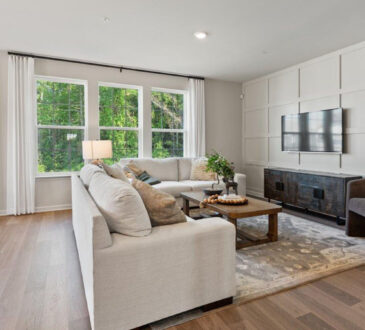


A home is more than a physical structure made of walls and a roof. It is a personal space that reflects identity, values, memories, and emotional well-being. Whether it is a small apartment, a countryside house, or a modern villa, home plays a central role in daily life by offering comfort, safety, and a sense of belonging.
What Defines a Home?
A home is defined not only by its design or location but also by the experiences created within it. It is where routines are built, relationships grow, and individuals feel most at ease.
Key elements that define a home include:
-
Safety and security for physical and emotional well-being
-
Comfort that allows relaxation and peace
-
Personalization through décor, furniture, and layout
-
Connection to family, culture, and memories
Emotional Value of a Home
Home carries deep emotional significance. It is often associated with warmth, familiarity, and stability. After long or stressful days, returning home provides reassurance and mental comfort.
How Home Impacts Mental Health
A well-maintained and thoughtfully organized home can positively influence mental health by:
-
Reducing stress and anxiety
-
Encouraging relaxation and better sleep
-
Supporting productivity and focus
-
Creating a calming daily environment
A clutter-free and balanced space often leads to a clearer and more peaceful mindset.
Types of Homes
Homes come in many forms, each serving different lifestyles and preferences.
Common Types of Residential Homes
-
Apartments – Ideal for urban living and convenience
-
Detached houses – Offer privacy and outdoor space
-
Townhouses – Blend community living with independence
-
Mobile homes – Flexible and cost-effective options
-
Cottages – Popular for quiet and scenic surroundings
Each type provides unique advantages depending on location, budget, and family needs.
Designing a Comfortable Home
Design plays a crucial role in making a house feel like a home. A balance between functionality and aesthetics helps create a space that supports everyday living.
Essential Home Design Principles
-
Natural lighting to improve mood and energy
-
Neutral color palettes for a calming atmosphere
-
Functional furniture that maximizes space
-
Personal touches such as photos, art, or plants
Small design choices can greatly influence how welcoming and practical a home feels.
The Role of Home in Family Life
For families, home is the foundation of shared experiences. It is where values are taught, traditions are formed, and bonds are strengthened.
A supportive home environment encourages:
-
Open communication
-
Emotional security for children
-
Strong family connections
-
Healthy daily routines
Homes that promote togetherness often contribute to long-lasting family relationships.
Home as a Reflection of Lifestyle
A home often mirrors the lifestyle of those living in it. From minimalist interiors to vibrant and expressive spaces, the design choices people make reflect their habits, priorities, and personalities.
Examples include:
-
Minimalist homes for simplicity and focus
-
Eco-friendly homes for sustainable living
-
Smart homes for convenience and technology integration
Personal preferences shape how a home looks and functions.
Why Home Matters More Than Ever
In modern life, where routines are fast-paced and digital, home has become a sanctuary. It is a place to recharge, reconnect, and find balance away from external pressures.
A well-loved home supports:
-
Emotional stability
-
Personal growth
-
Physical comfort
-
Long-term well-being
Investing time and care into a home improves quality of life in meaningful ways.
Frequently Asked Questions (FAQs)
What makes a house feel like a home?
A house becomes a home through comfort, personal memories, emotional connections, and a sense of safety.
How can I make my home more comfortable without major renovations?
Simple changes like decluttering, improving lighting, adding soft textiles, and personal décor can greatly enhance comfort.
Does home design affect mental health?
Yes, thoughtful design, natural light, and organized spaces can reduce stress and improve emotional well-being.
What is the most important feature of a good home?
While needs vary, safety, comfort, and emotional connection are universally important features.
How can small homes still feel spacious?
Using multifunctional furniture, light colors, mirrors, and smart storage solutions helps maximize space.
Why is personalization important in a home?
Personalization creates emotional attachment and makes the space feel unique and welcoming.
How often should a home be updated or refreshed?
Small updates every few years help maintain comfort, functionality, and visual app