

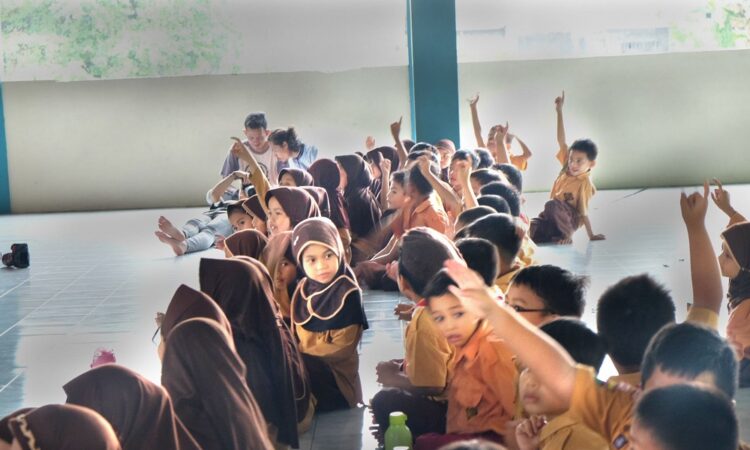
Education and community development are deeply interconnected. Strong communities support learning, while effective education systems contribute to social stability, economic growth, and collective well-being. When educators, families, institutions, and local organizations work together, education becomes a powerful driver of sustainable community development.
Understanding the Link Between Education and Community Development
Community development focuses on improving the social, economic, and cultural conditions of people living in a shared environment. Education plays a central role in this process by equipping individuals with knowledge, skills, and values that strengthen communities from within.
Education contributes to community development by:
-
Enhancing employment opportunities
-
Encouraging civic participation
-
Promoting social cohesion and inclusion
A community that values education invests in its long-term growth and resilience.
Education as a Social Investment
Education should be viewed not only as a personal benefit but as a collective investment. When communities prioritize learning, the returns extend to everyone.
Social benefits of education include:
-
Reduced crime and social conflict
-
Improved public health and awareness
-
Stronger democratic participation
Educated individuals are more likely to contribute positively to local initiatives and decision-making processes.
The Role of Families and Local Communities
Education does not begin and end in schools. Families and local communities play a vital role in shaping attitudes toward learning.
Family Involvement
Families reinforce the value of education by supporting learning at home, encouraging curiosity, and promoting discipline and responsibility.
Community Support
Local organizations, libraries, and community centers create environments where learning continues beyond classrooms.
Community involvement strengthens education by:
-
Providing mentorship and guidance
-
Creating safe spaces for learning
-
Encouraging collaboration across generations
Schools as Community Anchors
Schools often serve as central institutions within communities. Beyond academic instruction, they act as hubs for social interaction, cultural exchange, and community engagement.
Schools contribute to community development by:
-
Hosting local events and programs
-
Offering adult education and skill training
-
Partnering with local organizations and businesses
When schools align their goals with community needs, both education and development thrive.
Education and Economic Empowerment
Education equips individuals with skills needed for employment and entrepreneurship, directly influencing local economies.
Through education, communities benefit from:
-
A skilled and adaptable workforce
-
Increased innovation and productivity
-
Greater economic stability
Economic empowerment through education reduces dependency and supports sustainable community growth.
Shared Responsibility in Educational Outcomes
The success of education systems depends on shared responsibility. Governments, educators, families, and communities must work together to create supportive learning environments.
Shared responsibilities include:
-
Ensuring access to quality education
-
Supporting teachers and learners
-
Addressing social and economic barriers to learning
Collaboration ensures that education meets real community needs.
Education for Social Inclusion and Equality
Education promotes inclusion by providing equal opportunities for individuals from diverse backgrounds. Inclusive education systems help reduce inequality and strengthen social bonds.
By fostering respect and understanding, education:
-
Encourages cultural awareness
-
Reduces marginalization
-
Builds mutual trust within communities
Inclusive learning environments support harmonious community development.
Long-Term Impact of Education on Communities
The long-term effects of education extend across generations. Educated individuals often raise educated families, creating cycles of growth and opportunity.
Lasting impacts include:
-
Stronger leadership and governance
-
Improved quality of life
-
Greater community resilience
Education ensures that development is not temporary but sustainable.
Frequently Asked Questions (FAQs)
How does education directly impact community development?
Education builds skills, values, and awareness that improve economic stability, social cohesion, and civic engagement within communities.
Why is community involvement important in education?
Community involvement provides support systems, resources, and real-world connections that enhance learning outcomes.
Can education reduce social inequality in communities?
Yes, inclusive and accessible education helps create equal opportunities and reduces social and economic disparities.
What role do schools play beyond teaching students?
Schools act as community centers that support social programs, adult learning, and local collaboration.
How do families contribute to educational success?
Families reinforce learning values, support academic efforts, and encourage positive attitudes toward education.
Is education a government responsibility or a community responsibility?
It is a shared responsibility involving governments, institutions, families, and communities working together.
How does education support long-term community growth?
Education creates skilled, responsible, and engaged individuals who contribute to sustainable development over time.